





Search Results for: American Curve
Coffee Tamper Buying Guide: Flat Base vs. Ripple Base Differences Explained and Recommendations for Beginners to Advanced Users
In the espresso extraction process, the tamper plays a pivotal role. Faced with the dazzling array of tampers on the market, from flat to ridged, from American curve to European curve, how exactly should one choose? This article has specially invited senior coffee roaster Huang Jijun to share the flavor differences presented by different tamping surfaces, and to provide practical purchasing advice for beginners and advanced players. At the same time, the article also compiles a number of classic tamper collections, combined with recommendations from Front Street Coffee, to help you find the one tamper that suits you best. [more…]
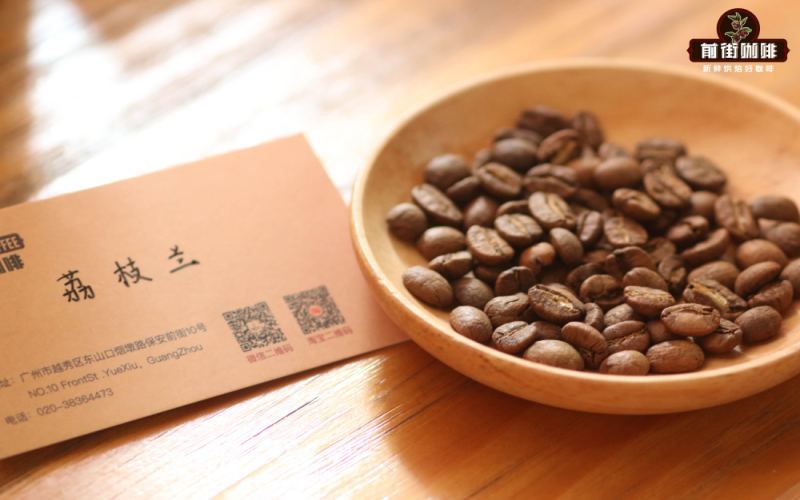
Honduras Lychee Orchid Coffee Bean Flavor Analysis: Mocha Estate Barrel Fermentation Process and Pour-Over Roast Review
Located in Central America, Honduras has become an important origin for specialty coffee thanks to its mild tropical climate and abundant rainfall. This article focuses on the Honduras Moka Estate Lychee Brandy coffee beans launched by Front Street Coffee, offering a detailed introduction to the terroir conditions of Marcala in its origin, the characteristics of the Caturra and Catuai varieties, and the unique processing method that combines refined washing with brandy barrel fermentation. By comparing the cupping and pour-over performance of two roasting curves, it provides an in-depth analysis of the layered changes in this bean's flavors—ranging from floral notes, berries, and lychee to brandy aroma and dark chocolate—offering coffee enthusiasts a complete reference for roasting and brewing. [more…]
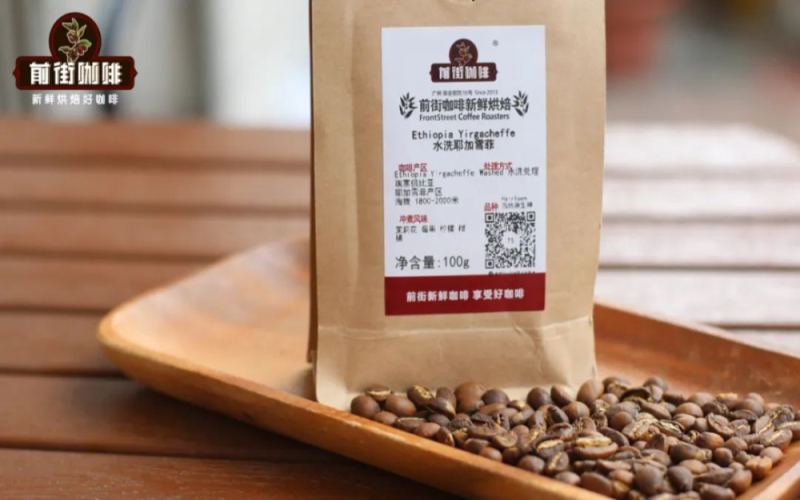
From Roast Curve to Cup Flavor: Why Light Roast Coffee Beans Are Popular, and Why Yirgacheffe Tends to Be Sour?
As Yirgacheffe brings bright acidity reminiscent of lemon and citrus into the specialty coffee shops of more and more small county towns, many people begin to wonder: why do coffee beans need a light roast? And why did light-roasted coffee come about in the first place? In fact, coffee beans are not light-roasted in order to express citrus notes; rather, under light-roast conditions they more easily reveal citrus-like qualities. The roast level determines the basic direction of the flavor, unfolding in turn from acidity and aroma to body and bitterness. This article starts from the roasting practice at Front Street Coffee, combining first crack and second crack, bean density and origin characteristics to explain the flavor logic between light roasting and Yirgacheffe, and how roasters weigh the trade-off between a uniform appearance and acidity expression. [more…]

The Flavor Code of Honduran Specialty Coffee Origins: A Complete Analysis of Sherry and Lychee Barrel-Fermented Beans
Driven by the third wave of coffee, barrel fermentation processing has become a highly anticipated innovative craft in recent years. Front Street Coffee's Honduras Sherry and Lychee Orchid barrel-fermented beans each impart unique wine aromas and layers to the coffee through whiskey barrels and brandy barrels, respectively. This article begins with the geography and varieties of Honduras's six major producing regions, outlines the development of its coffee industry and grading system, focuses on analyzing the principles of barrel fermentation and flavor differences, and provides a detailed record of the roasting curve comparison of Front Street's two beans, cupping performance, and flavor presentation in three brewing methods—V60, KONO, and Japanese-style iced pour-over—offering objective data references for coffee enthusiasts. [more…]
In-Depth Analysis and Brewing Suggestions for Nicaragua Los Andes Estate Maracaturra Natural Coffee
Nicaraguan coffee has long maintained a low profile in the global market, yet it possesses growing talent on par with other Central American countries, distinguished by its balanced flavor. This feature focuses on the sun-dried Maracaturra from Finca La India in the Nueva Segovia region. This variety, a cross between Caturra and Maragogipe, offers both plump beans and sweet flavors, but due to its delicate plants, susceptibility to leaf rust, and low yield, it is rarely seen on the market. The article will outline Nicaragua's four major producing regions and their terroir characteristics, analyze the varietal advantages and cultivation challenges of Maracaturra, and share Front Street Coffee's roasting curve, cupping data, and pour-over parameters, providing a complete reference for coffee enthusiasts. [more…]
In-Depth Analysis of Ethiopia Limu Washed G2: Heirloom Flavor, Roast Curve, and Pour-Over Parameters in Practice
Limu is a low-key yet noteworthy presence among Ethiopia's eight major coffee regions. It is primarily washed-processed, with a milder flavor profile than Sidamo, often carrying citrus and grassy aromas. This article provides a complete overview of the regional background of Limu washed G2, the washed processing workflow, and the characteristics of the Heirloom native variety, along with the practical roast curve on a Yangjia 600g semi-direct-fire roaster and V60 pour-over parameters. From a charge temperature of 200°C to first crack at 8 minutes 33 seconds and drop at 194.6°C, every adjustment of gas and airflow is recorded. It is suitable for coffee enthusiasts who want to gain a deeper understanding of Ethiopia's lesser-known regions, and also offers a reusable approach for brewing Limu beans in daily practice. [more…]
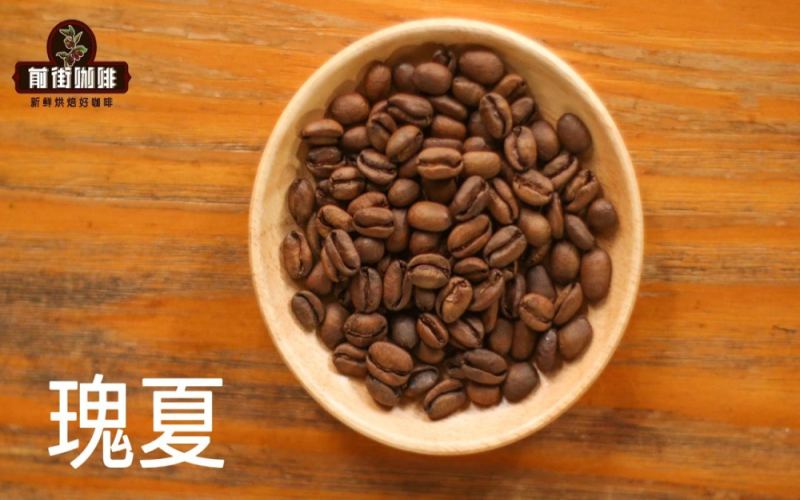
What roast level suits Geisha coffee? Analysis of flavor differences between light and medium-dark roasts and key brewing points
Geisha coffee, with its unique floral and fruity aroma and bright acidity, has become a highly regarded variety in the specialty coffee world. This article explores the varietal origins, green bean characteristics, and roasting logic of Geisha coffee, focusing on how light roasting and medium-dark roasting affect flavor expression, and, by combining cupping with pour-over comparisons, explains why light roasting better preserves Geisha's floral notes and fruity acidity. It also compiles the specific parameters Front Street Coffee uses when roasting and brewing Geisha, including the V60 dripper, water temperature, coffee dose, water ratio, and grind size, to help coffee enthusiasts gain a more complete understanding of how Geisha coffee's flavor is presented from green bean to cup. [more…]
Flavor Analysis of Honduran Specialty Coffee Beans: Litchi Orchid Rum Barrel Fermentation Process and Caturra Variety Characteristics
Honduras, as an important coffee-producing country in Central America, has secured a place in the global specialty coffee market thanks to its unique mountain climate and continuously improving processing techniques. In this issue, Front Street Coffee focuses on the Lychee Orchid coffee beans from the Masaguara Mocha Estate. These beans are processed using a refined washed method combined with low-temperature fermentation in brandy barrels, presenting soft lychee sweetness, honey notes, and the complex aroma of brandy and oak barrels. The article will systematically introduce the distribution of coffee-producing regions in Honduras, variety characteristics, and the principles of barrel fermentation, and through a comparison of two roasting curves by Front Street roasters, deeply analyze the specific effects of different development times on coffee flavor performance, providing coffee enthusiasts with practical brewing and tasting references. [more…]
Colombia Huila Region Flower Moon Night Coffee Beans: A Complete Analysis of Anaerobic Natural Processing, Roasting Curve, and Pour-Over Parameters
The Huila Department of Colombia is renowned for its refined acidity and berry-like sweetness, while the Huayueye microlot bean further presents a complex profile of strawberry jam, liqueur-filled chocolate, and creamy fermentation through its anaerobic natural process. In this article, Front Street Coffee begins with Colombian coffee culture, reviewing the terroir of the Huila growing region, the characteristics of the Caturra variety, and the low-temperature slow fermentation processing at the Gading Farm, and also discloses the roasting curve of the Yangjia Pegasus 800N, the cupping results, and the V60 staged brewing parameters, providing coffee enthusiasts with a complete reference for tasting and hands-on practice. [more…]
American Coffee Tasting Guide: Key Differences from Lungo and Front Street Coffee Espresso Bean Choices
When ordering at a café, many people are puzzled about exactly how Americano and pour-over coffee differ, and a drink like Lungo is often mistaken for an Americano. From the perspective of Front Street, this article sorts out the origin and definition of Americano, compares its fundamental differences in brewing logic with Lungo and Long Black, and shares Front Street's approach to choosing espresso blend beans when making Americano—including recipes such as Sunflower Warm Sun, specialty blend, and Dark Cocoa. Finally, it provides specific brewing parameters for hot and iced Americano, helping you make a cup of Americano that suits your taste at home. [more…]
Colombian Huila Pour-Over Coffee Beans Recommendation: A Detailed Guide to Origin Background, Roasting Curve, and V60 Brewing Parameters
Colombian coffee has always been known for its balanced acidity and caramel-chocolate notes, and the Huila region is among the most representative specialty origins. This article begins with the history of Colombian coffee and the environment of its producing regions, then focuses on the origin information, roasting approach, and cupping performance of Front Street Colombia Huila Washed coffee beans. It also includes the complete brewing parameters and technique used by Front Street baristas with the V60 dripper, helping coffee enthusiasts consistently recreate the nutty, dark chocolate, and caramel sweetness flavors at home. [more…]
Costa Rica Red Honey Coffee Flavor Analysis: The Sweet-Acid Balance and Chocolate Texture of Las Haras Estate in the Central Valley
As the first country in Central America to cultivate coffee, Costa Rica boasts fertile volcanic soil and a suitable climate that nurture high-quality Arabica coffee with a balanced, mild profile and bright fruity acidity. This article focuses on Front Street Coffee's Costa Rica Las Haras Estate Red Honey processed coffee, offering an in-depth introduction to the characteristics of the Central Valley producing region, the background of Las Haras Estate, and its unique honey processing classification system. By comparing the pectin retention ratios and drying durations of Yellow Honey, Red Honey, and Black Honey, it analyzes how Red Honey processing delivers a substantial, syrupy mouthfeel and vivid fruity notes. It also shares the roasting curve and brewing parameters for Front Street Coffee's Blackberry Coffee, providing coffee enthusiasts with a complete flavor guide from producing region to cup. [more…]
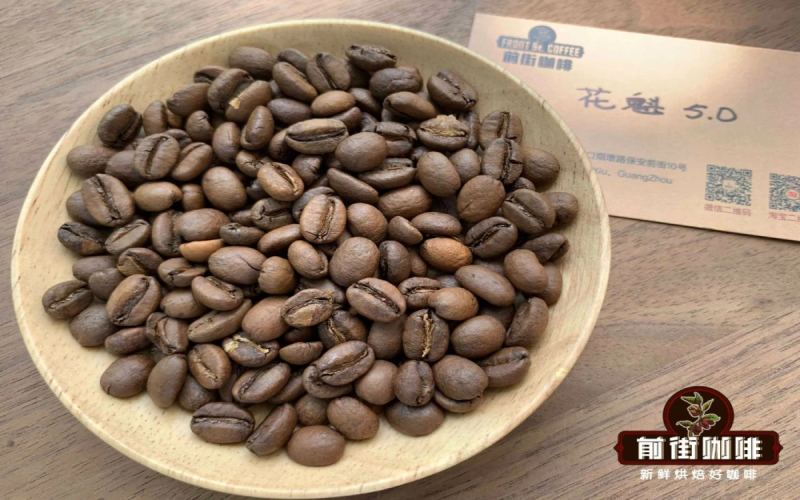
Analysis of Huakui Coffee Bean Roast Level and Flavor: A Guide to SOE Roast Profile Adjustments and Brewing Parameters
Huakui coffee beans originate from Hambela in the Sidama region of Ethiopia and are known for their berry cream and tropical fruit flavors. The degree of roast directly determines the direction of their flavor: a medium-light roast preserves bright acidity and floral-fruity aromas, while a medium-dark roast brings caramel and bitterness, masking the character of the origin. Front Street Coffee's roasters screened through cupping with three curves and ultimately determined the optimal roasting plan for Huakui, with the key points being the control of dehydration and yellowing, first crack timing, and development pace. This article will provide a complete analysis of Huakui's origin background, variety characteristics, and natural processing method, and will disclose Front Street Coffee's roasting curve data and V60 brewing parameters, helping coffee enthusiasts understand how to adjust the charge temperature and development time to release Huakui's layering and sweetness. [more…]
Geisha Coffee Roasting Curve and Flavor Analysis of Processing Methods: From Hacienda La Esmeralda to Front Street Brewing Parameters
Geisha coffee is renowned for its jasmine aroma, citrus-honey sweetness, and clean, delicate mouthfeel, often described as a coffee that doesn't taste like coffee. This article centers on roasting approaches for Geisha coffee, explaining why Front Street Coffee chooses a medium-light roast to preserve the fine acidity and floral-fruity aromas, and detailing the flavor differences of Geisha from producing regions such as Panama, Costa Rica, and Colombia. It also outlines the process characteristics of washed and natural processing methods, shares Front Street's grinding size, water temperature, coffee-to-water ratio, and three-stage pouring technique for brewing Geisha, along with practical advice on coffee bean freshness and the resting period, making it suitable for coffee enthusiasts to gain a systematic understanding of Geisha coffee. [more…]
Exploring Costa Rica's Tarrazú Region: Coffee Bean Varieties, Grading Standards, and Price Reference
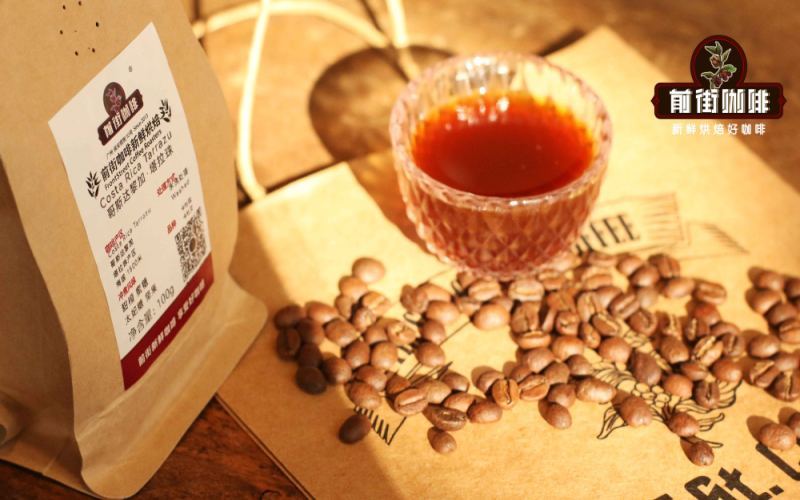
Costa Rica's Tarrazu region is globally recognized as a high-quality coffee-producing area, known for its light, pure flavor and pleasant aroma. This article systematically examines the varieties and characteristics of Costa Rican coffee beans, from the region's history, geographical conditions, and altitude grading standards to specific famous products such as La Minita Tarrazu, and includes Front Street Coffee's brand recommendations and price references, helping enthusiasts gain a comprehensive understanding of the unique appeal of this Central American coffee powerhouse. [more…]
A Detailed Guide to Single-Origin Coffee Classification: A Comprehensive Analysis of Flavor Characteristics Across Major Producing Regions from Africa to the Americas and Differences in Coffee Shop Flavors
Have you ever walked into a specialty coffee shop, faced the dazzling array of single-origin coffees on the menu, and felt at a loss where to begin? Single-origin coffee refers to coffee made from beans sourced from a single origin, and it can be traced back to a specific region or even estate. This article will systematically sort through the representative single-origin coffees from major producing regions such as Africa, Central and South America, and Asia, introduce Front Street Coffee's rigorous process from roasting curve testing to cupping selection, and present the flavor descriptions of coffee beans from each region one by one, helping you find the cup that best suits your taste. [more…]
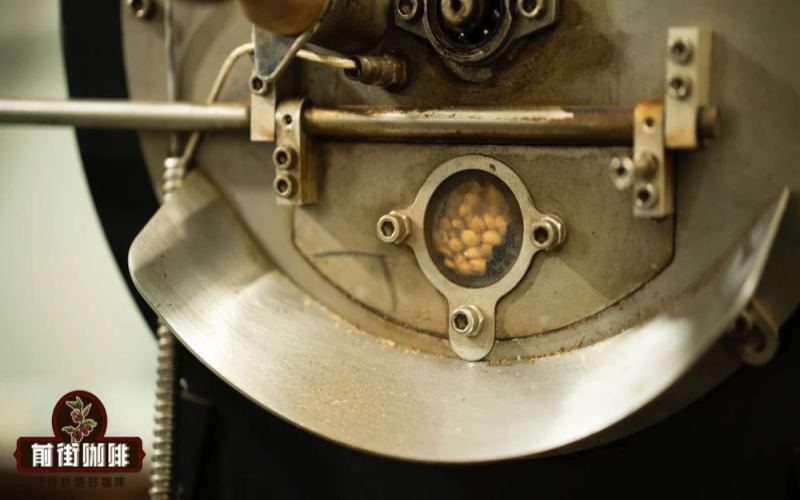
An Analysis of Flavor Differences in Light, Medium, and Dark Roasted Coffee Beans: From Dehydration to Second Crack—The Roasting Curve and Temperature Reference for Blue Mountain No. 1
Roasting is the key stage that determines the direction of coffee flavor; the same green beans will present completely different aromas and tastes under different roast levels. Starting from the roasting practice of FrontStreet Coffee, this article systematically sorts out the complete roasting process of coffee beans from bean charging, dehydration, first crack to second crack, explains the specific flavor performance of light, medium, and medium-dark roast levels in cupping, and introduces the Agtron color value as a scientific judging standard. Taking sun-dried Yirgacheffe as an example, the article provides the yellowing point, first crack temperature, development time, and drop temperature data for three roast levels, and also lists Front Street's representative bean list for each roast level, including Blue Mountain No. 1, the Mandheling series, etc., to help enthusiasts build a corresponding understanding between roast level and flavor. [more…]
Ethiopia Gesha Village Gold Label Gesha Coffee Flavor Analysis: How Is It Different from Panama Geisha?
Although Geisha coffee is famous for its association with Panama, its roots can be traced back to Ethiopia in Africa. For this review, Front Street Coffee is evaluating a Gold Label Geisha from the Gesha Village Estate in Ethiopia, produced in the Oma block, of the Geisha 1931 variety, and processed using a refined natural method. What exactly are the differences between this African Geisha and its American counterpart? The idea for Gesha Village Estate was first conceived in 2007 by documentary filmmaker Adam Overton and his photographer wife Rachel Samuel. In 2009, inspired by Willem Boot, the owner of Finca骡子, they found the Gori Gesha forest and ultimately established this large 500-hectare farm. The estate's product line is divided into Gold Label, Red Label, Green Label, and Chaka. The Gold Label accounts for only 10% of annual production, with quality second only to the auction lot. This article will present the unique charm of this Gold Label Geisha in full, from the estate's story, variety characteristics, processing methods, and roasting curve to the cupping flavors. [more…]

Honduran Coffee Regions, Grades, and Caturra Flavor Analysis: From Sherry Cask Fermentation to Roasting Curve Practice
Honduras is an important specialty coffee-producing country in Central America, known for its sherry barrel fermentation process and high-altitude hard beans. This article systematically reviews the country's geography and climate, coffee grading system, and main variety characteristics, with a focus on the flavor performance of varieties such as Caturra. Front Street Coffee, drawing on roasting and cupping practice, compares the cupping and brewing differences between Lychee Orchid and Sherry coffee under different profiles, analyzes the role of barrel fermentation in shaping flavor, and provides coffee enthusiasts with a complete reference from understanding the producing region to extraction application. [more…]
Costa Rica Mozart Coffee Flavor Analysis: Raisin Honey Processing and the Characteristics of Canet Estate
Canet Estate's Musician Series was among the earliest beans in China to astonish the coffee world with special processing methods. Among them, Mozart, with the dried-fruit sweetness and red-wine fermentation notes brought by its raisin honey process, remains one of Front Street Coffee's signature offerings to this day. This article will start from the regional background of Canet Estate and the characteristics of the Caturra and Catuai varieties, then break down the specific steps of the raisin honey process in detail, and include Front Street Coffee's actual roasting curve and pour-over parameter recommendations, giving you a complete understanding of the flavor logic of this bean from origin to cup. [more…]